Loading…
Back to Blog
Halal Vitamins and Supplements: The Complete Guide for Muslim Consumers (2026)
HalalExpo Editorial TeamMarch 17, 20269 min readIndustry Insights
Navigating the supplement aisle as a Muslim consumer requires more than reading nutrition labels. This guide covers what makes vitamins halal, which certification bodies to trust, and which brands meet the standard in 2026.
Editorial note: Market figures cited in this article are estimates based on publicly available industry reports and may vary by source. HalalExpo.com aims to present the most current data available but readers should verify figures for business decisions. Sources include the State of the Global Islamic Economy Report, DinarStandard, and national halal authority publications.
For the estimated 1.8 billion Muslims worldwide, maintaining religious dietary compliance does not stop at the dinner table. It extends to every capsule, softgel, and liquid dropper in the medicine cabinet. The global halal supplements market is projected to exceed USD 5 billion by 2028, yet many consumers remain unaware that common multivitamins, fish oil capsules, and even vitamin D3 tablets can contain ingredients that are clearly impermissible under Islamic dietary law. In 2026, with halal certification bodies more active than ever and a growing number of compliant brands entering the market, there has never been a better time to understand exactly what makes a supplement halal — and how to verify it before you buy.
What Makes a Vitamin or Supplement Non-Halal?
The challenge with supplements is that non-halal ingredients are rarely visible on a front label. They are buried in excipients, coatings, capsule shells, and processing aids. The four most common sources of non-compliance are gelatin derived from pigs, alcohol used as a solvent or preservative, carmine used as a colouring agent, and cross-contamination during manufacturing.
Gelatin Capsules from Porcine Sources
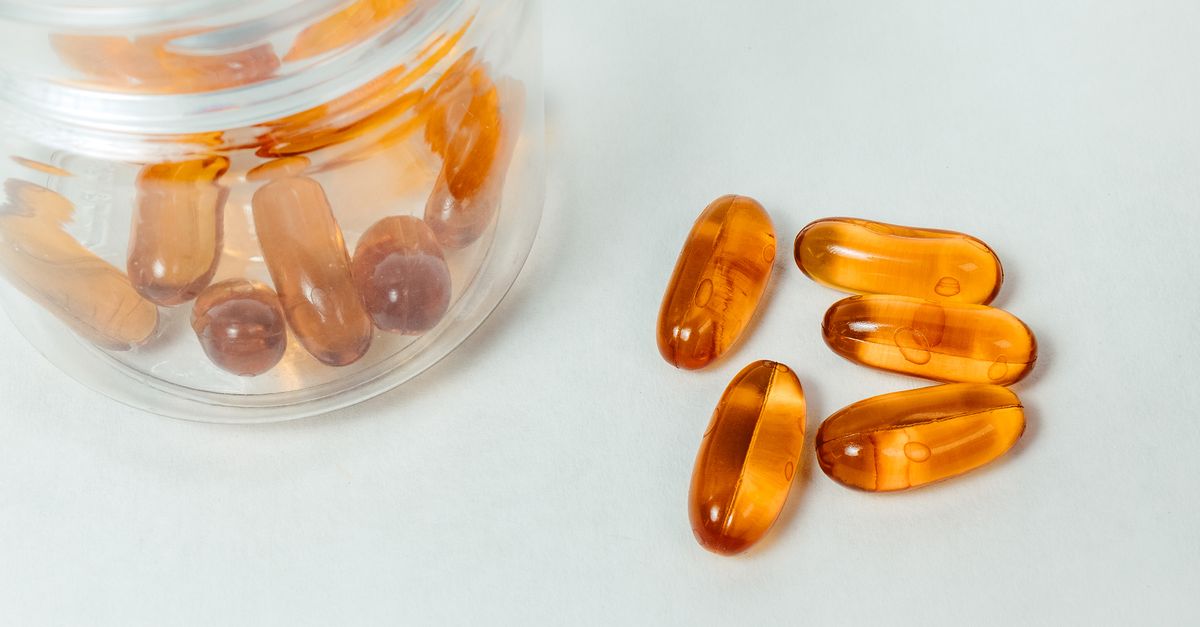
Gelatin is the single biggest concern for Muslim supplement consumers. The majority of softgel and hard capsule shells sold globally are manufactured from porcine (pig) gelatin because it is cheap, widely available, and has reliable binding properties. Unless a product explicitly states that its capsules are made from bovine gelatin certified from a halal slaughter, or from a plant-based alternative such as hydroxypropyl methylcellulose (HPMC), the default assumption should be that porcine gelatin is present. Many premium supplement brands now use HPMC vegetarian capsules precisely because they serve both the halal and vegan markets simultaneously. Always look for the words vegetarian capsule, HPMC capsule, or halal-certified bovine gelatin on the label.
Alcohol as a Solvent or Preservative
Liquid vitamins, herbal tinctures, and certain sublingual sprays frequently use ethanol as a solvent to carry fat-soluble compounds into suspension, or as a preservative to extend shelf life. The presence of alcohol — even in small concentrations — makes a product non-halal under the majority scholarly position. This is particularly relevant for liquid vitamin B12, liquid vitamin D, echinacea tinctures, valerian root extracts, and CBD oils marketed as wellness supplements. When reviewing liquid products, check for ethanol, ethyl alcohol, grain alcohol, or denatured alcohol in the inactive ingredients. Reputable halal-certified brands use glycerin, water, or medium-chain triglyceride (MCT) oil as alcohol-free carriers instead.
Carmine and Synthetic Dyes
Carmine, also listed as cochineal extract, Natural Red 4, or E120, is a red colouring agent derived from crushed female cochineal insects. The majority ruling across JAKIM, IFANCA, and MUI is that carmine is non-halal. It appears in gummy vitamins, chewable tablets, and capsule coatings to produce red, pink, and purple hues. If a supplement is red, pink, or purple and uses natural colouring on the label, verify whether carmine is the source.
Cross-Contamination in Manufacturing
A product can contain entirely permissible ingredients yet still be produced in a facility that handles porcine gelatin, alcohol, or other haram substances. Without halal-certified manufacturing processes and dedicated equipment, cross-contamination is a real risk. This is why ingredient reading alone is insufficient — true halal compliance requires third-party audits of the entire supply chain.
Halal Certification Bodies for Supplements
- IFANCA (Islamic Food and Nutrition Council of America) — One of the most rigorous certifiers operating in North America. IFANCA audits manufacturing facilities, reviews ingredient sourcing documentation, and conducts unannounced inspections. Their certification is accepted in most GCC countries, Malaysia, and Indonesia. Products certified by IFANCA carry the distinctive crescent-M logo.
- ISNA (Islamic Society of North America) — A respected North American body whose certification is commonly seen on supplements distributed through Muslim-focused retail channels in the US and Canada.
- JAKIM (Jabatan Kemajuan Islam Malaysia) — Malaysia's Department of Islamic Development is the gold standard for the Southeast Asian market and one of the strictest bodies globally. A JAKIM-certified supplement is accepted in virtually every Muslim-majority country.
- MUI (Majelis Ulama Indonesia) — Indonesia's top Islamic scholars council certifies products for the world's largest Muslim-majority country. MUI halal certification is required for supplements sold in Indonesia under the country's mandatory halal labelling law, progressively enforced since 2024.
Key Ingredients to Scrutinise
Vitamin D3: Lanolin Versus Lichen
Vitamin D3 (cholecalciferol) is derived in the vast majority of supplements from lanolin, the waxy secretion found in sheep's wool. The scholarly consensus is that lanolin-derived D3 is permissible because it comes from a living halal animal and wool is not slaughter-dependent. For those who wish to avoid lanolin entirely, lichen-derived D3 is the plant-based and unambiguously halal alternative. Brands such as Vitashine and Doctor's Best offer lichen-sourced D3 that also serves vegan consumers.
Omega-3: Fish Oil Versus Algae Oil
Standard fish oil omega-3 supplements present two compliance questions: the fish species and the gelatin capsule. The vast majority of fish oil softgels are encapsulated in porcine gelatin. A growing number of brands now offer algae-derived omega-3 (DHA and EPA sourced from microalgae), which resolves both concerns entirely. Algae oil is the original source from which fish accumulate omega-3, and products such as Nordic Naturals Algae Omega and Testa Omega-3 are widely available and halal-compatible.
Collagen Supplements
Nearly all standard collagen powders and capsules are derived from bovine or porcine sources. Bovine collagen is potentially halal if the cattle were slaughtered according to Islamic rites. Porcine collagen is categorically non-halal. Marine collagen from fish scales is generally considered halal, though the fish source should be verified.
How to Read a Supplement Label for Halal Compliance
- Check the capsule or softgel type first. Look for HPMC, hydroxypropyl methylcellulose, vegetable capsule, or explicitly stated halal-certified bovine gelatin. If the label simply says gelatin without qualification, assume porcine.
- Scan the Other Ingredients list for alcohol, ethanol, carmine, cochineal extract, and E120.
- For gummies and chewables, check for pectin versus gelatin as the gelling agent. Pectin is plant-derived and halal.
- For liquid supplements, verify the carrier: glycerin and MCT oil are halal-safe; ethanol is not.
- Identify the Vitamin D3 source if D3 is in the formula.
- Look for a recognised halal certification logo (IFANCA, JAKIM, MUI, ISNA, or an equivalent body in your region).
Halal-Certified Supplement Brands
| Brand | Certifying Body | Key Products | Capsule Type | Availability |
|---|---|---|---|---|
| Safa Vitamins | IFANCA | Multivitamins, Vitamin D3, Omega-3 | HPMC Vegetarian | US, Online |
| Halal Vitamins (UK) | HFA (UK) | Full range multivitamins, prenatal, children's | HPMC Vegetarian | UK, EU, Online |
| Vitashine | Vegan Society + halal-compatible | Lichen-derived D3 spray and tablets | Tablet / Spray | UK, Online |
| Nordic Naturals Algae Omega | Third-party tested, vegan | Algae-derived DHA + EPA | Algae-based softgel | Global |
| Testa Omega-3 | Vegan + halal-compatible | Algae DHA + EPA | HPMC Vegetarian | EU, Online |
| GreenLife Nutrition (MY) | JAKIM | Multivitamins, spirulina, marine collagen | HPMC Vegetarian | Malaysia, SE Asia |
Common Supplements and Their Halal Status Concerns
- Standard Multivitamin (softgel or capsule) — High risk. Most use porcine gelatin capsules. Seek HPMC alternatives with certification.
- Fish Oil / Omega-3 (softgel) — High risk for porcine gelatin capsule. Consider algae-derived omega-3 in HPMC capsules.
- Vitamin D3 (softgel) — Moderate concern. Lanolin source is generally accepted; lichen source is unambiguous.
- Collagen Peptides — High risk unless source and slaughter method are certified. Marine collagen with halal certification is safest.
- Gummy Vitamins — High risk. Most use porcine gelatin. Look for pectin-based gummies with halal certification.
- Liquid Vitamins and Tinctures — High risk for alcohol content. Verify carrier ingredients explicitly.
- Probiotics — Moderate concern depending on fermentation medium. Seek certified products.
- Prenatal Vitamins — Moderate risk. Many use gelatin softgels. Seek specifically certified prenatal formulas.
- CoQ10 (softgel) — High risk for porcine gelatin. Seek vegetarian capsule alternatives.
The Growing Halal Supplement Market in 2026
The halal supplement industry has matured significantly. In 2026, major contract manufacturers across the United States, United Kingdom, and Malaysia now offer dedicated halal manufacturing lines with HPMC capsule filling equipment and alcohol-free formulation capabilities as standard. The pressure has come from two directions: the growing purchasing power of Muslim consumers in Western markets, and the regulatory requirements of Muslim-majority import markets — particularly Indonesia's expanding mandatory halal labelling framework and Saudi Arabia's updated SASO halal product standards. For consumers, the practical difficulty of finding compliant supplements has decreased substantially. The key is knowing what to look for and refusing to accept self-declared claims in place of verified third-party certification.
For Halal Businesses
Is your business listed on HalalExpo?
Join 5,198 halal companies. Claim your free listing and connect with buyers worldwide.
More from Industry Insights
Industry Insights
Is Cryptocurrency Halal? Scholarly Opinions and Analysis
A balanced analysis of whether cryptocurrency is halal under Islamic law, examining the arguments of scholars who permit it, those who prohibit it, and the conditional middle ground — with reference to real fatwas, institutional positions, and the key Shariah issues at stake.
D
Dr. Ahmad HassanIndustry Insights
Halal Travel in Turkey: The Complete Guide for Muslim Visitors
Turkey is one of the most naturally Muslim-friendly destinations on earth — 99% Muslim population, mosques in every neighbourhood, halal food on every corner, and a growing number of alcohol-free hotels. This complete guide covers Istanbul, Cappadocia, Antalya, Ramadan travel, and practical tips for Muslim visitors.
A
Ahmad FarisIndustry Insights
Halal Crowdfunding Platforms: Islamic Finance for Startups and SMEs
Islamic crowdfunding is reshaping how Muslim entrepreneurs and startups raise capital. This guide covers the principles behind halal crowdfunding, the difference between equity, reward, and donation models, and the top platforms operating globally.
D
Dr. Ahmad HassanIndustry Insights
Umrah Travel Planning: A Practical Guide
Everything you need to plan your umrah trip in 2026: visa requirements, best times to travel, packing essentials, hotel options near the Haram, budget planning, and tips for first-time pilgrims.
Y
Yusuf RahmanIndustry Insights
Japan's Halal Market: How Tourism and Trade Are Driving Growth
Japan is emerging as an unexpected halal market, driven by inbound Muslim tourism and export ambitions. An overview of Japan's halal landscape, certification framework, and opportunities.
H
HalalExpo Editorial Team