Loading…
Back to Blog
Top Halal Certification Bodies in Southeast Asia — Complete Guide 2026
Dr. Yusuf HassanMarch 16, 202611 min readCertification Standards
Southeast Asia is the global heartland of halal certification. JAKIM, BPJPH, MUIS, MUIB, CICOT, and IDCP together certify products that reach 2 billion Muslim consumers worldwide. This complete guide covers every major SE Asian halal certifier, their recognition status, and which certificates you need for export.
Editorial note: Market figures cited in this article are estimates based on publicly available industry reports and may vary by source. HalalExpo.com aims to present the most current data available but readers should verify figures for business decisions. Sources include the State of the Global Islamic Economy Report, DinarStandard, and national halal authority publications.
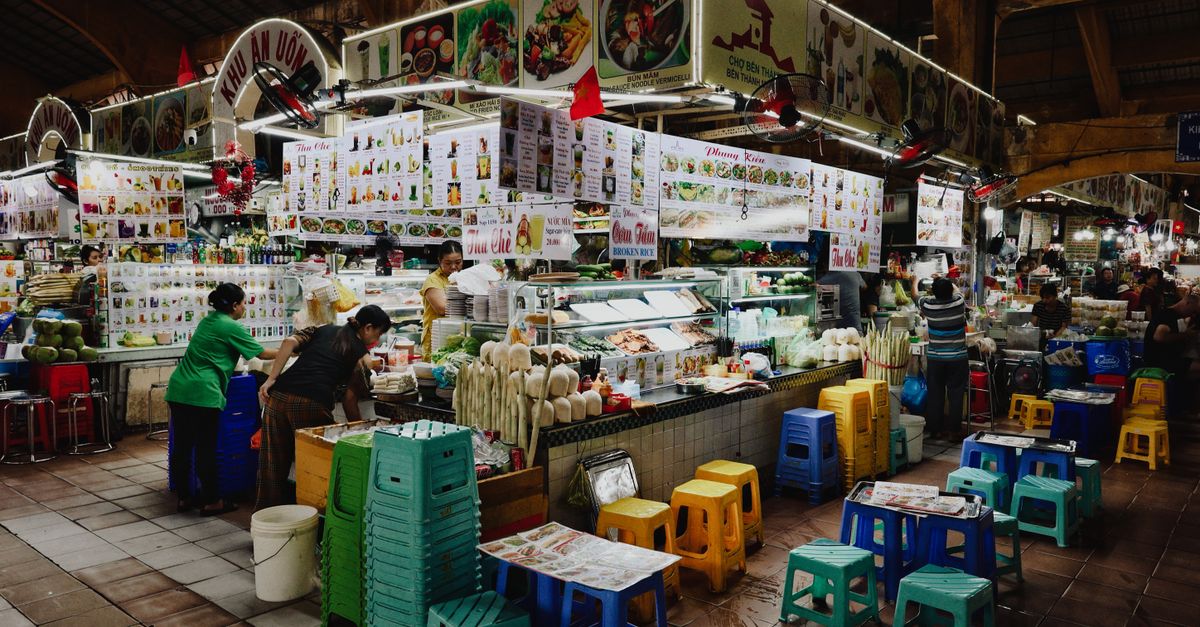
Why Southeast Asia Leads Global Halal Certification
Southeast Asia is not merely a participant in the global halal economy — it is the administrative backbone of it. The region is home to the world's largest Muslim-majority nation (Indonesia, 240 million Muslims), the most globally recognised halal certification body (JAKIM), and a dense network of mutual recognition agreements that span from the GCC to East Asia. For any food manufacturer seeking to export halal-certified products globally, SE Asian certification frameworks are the starting point — and often the destination.
The combined Muslim population of Southeast Asia exceeds 270 million people, representing the world's largest contiguous halal consumer market. Malaysia and Indonesia alone account for over USD 70 billion in annual halal food production. MIHAS (Malaysia International Halal Showcase) in Kuala Lumpur and the Indonesia International Halal Lifestyle Expo draw buyers from 80+ countries each year. The infrastructure — regulatory, logistical, and commercial — built around halal in this region is unmatched anywhere in the world.
This guide covers every major halal certification body in Southeast Asia, their scope, international recognition status, and practical advice for exporters seeking market access through SE Asian certification.
Malaysia — JAKIM and State Islamic Religious Councils
JAKIM (Jabatan Kemajuan Islam Malaysia)
JAKIM — the Department of Islamic Development Malaysia — is the gold standard of global halal certification. Operating under Malaysia's Ministry in the Prime Minister's Department since 1994, JAKIM administers the Malaysian Halal Certification scheme under MS 1500:2019 (the Malaysian Halal Standard), which is among the most comprehensive halal product standards in the world.
JAKIM's international standing is exceptional: it maintains mutual recognition agreements with over 80 foreign halal certification bodies and is the reference certifier for GCC countries including UAE (MOCCAE), Saudi Arabia (SFDA), and Qatar. A JAKIM certificate is accepted by more importing countries than any other single halal certificate in the world.
JAKIM certifies over 8,000 companies and 500,000 products globally. Its certification scope covers food and beverages, food premises, food processing, slaughterhouses, consumer goods, pharmaceuticals, and cosmetics. Certification is administered through accredited halal certification bodies (CBs) operating under JAKIM's accreditation framework.
MAIS and State Religious Councils
MAIS (Majlis Agama Islam Selangor) and the other 13 State Islamic Religious Councils in Malaysia operate under JAKIM's umbrella framework. Products certified by State Councils carry the same MS 1500:2019 standard and are equally valid as JAKIM-issued certificates for export. MAIS is particularly active for Selangor-based manufacturers (where much of Malaysia's food processing industry is concentrated).
Indonesia — BPJPH and LPPOM MUI
BPJPH (Badan Penyelenggara Jaminan Produk Halal)
BPJPH — the Halal Product Assurance Organizing Body — is Indonesia's government halal authority established under Law No. 33 of 2014. Since October 2019, BPJPH has assumed regulatory authority over halal certification in Indonesia from LPPOM MUI, though MUI's Fatwa Commission continues to issue fatwas that underpin certification decisions.
Indonesia's mandatory halal labelling regulation (fully enforced from 2024) requires all food and beverage products sold in Indonesia to carry BPJPH-approved halal certification. For exporters, this means that products manufactured in Indonesia for export must hold BPJPH certification to carry halal claims. BPJPH has signed bilateral recognition agreements with Saudi SFDA, UAE ESMA, and JAKIM Malaysia.
LPPOM MUI (Majelis Ulama Indonesia)
LPPOM MUI — the Assessment Institute for Foods, Drugs and Cosmetics of the Indonesian Ulema Council — remains the most internationally recognised Indonesian halal certifier. Operating since 1989, LPPOM MUI built Indonesia's halal certification infrastructure before the government body BPJPH was created. MUI certificates are still widely accepted in the GCC and Europe, and LPPOM MUI continues to operate as an accredited Certification Body under BPJPH's framework.
For export markets, particularly the GCC, LPPOM MUI certification remains the preferred Indonesian credential. Check with your target import country's approved certifier list to confirm which Indonesian body is accepted.
Singapore — MUIS
MUIS (Majlis Ugama Islam Singapura — Islamic Religious Council of Singapore) is Singapore's sole statutory halal certification authority. Established by the Administration of Muslim Law Act, MUIS administers the Singapore Muis Halal Certification scheme under the SS 812:2020 Singapore Standard for Halal Food.
MUIS certification carries particular weight in Southeast Asian export markets and is well-recognised in GCC countries. Singapore's position as a major food re-export hub makes MUIS certification valuable for products transiting through Singapore's port and supply chain infrastructure. MUIS's SALAAM certification mark is one of the most instantly recognised halal symbols in the region.
Brunei — MUIB
MUIB (Majlis Ugama Islam Brunei — Islamic Religious Council of Brunei Darussalam) administers halal certification in Brunei under the Halal Industry Development Council framework. Brunei's halal standards are closely aligned with JAKIM Malaysia's MS 1500 framework through the ASEAN Halal Mutual Recognition framework.
MUIB certification is required for products sold in Brunei and is increasingly sought by exporters targeting Brunei's premium food market (one of Southeast Asia's highest-income populations). MUIB has recognition agreements with GCC countries and OIC member states.
Thailand — CICOT
CICOT (Central Islamic Council of Thailand) is Thailand's primary national halal certification body, operating under the patronage of His Majesty the King and in coordination with the National Halal Standards Institute of Thailand (NHSI). Thailand is one of the world's top 10 food exporters, and halal-certified Thai food — particularly processed poultry, seafood, canned goods, and instant foods — is a major export category.
CICOT certification is recognised in the GCC (it holds UAE MOCCAE recognition), Japan, Europe, and across the OIC. Thailand's 14 provincial Islamic Committees also issue halal certificates for locally produced products, working under CICOT's national framework. For export, CICOT national certification (not provincial) is required.
Philippines — IDCP and PHA
IDCP (Islamic Da'wah Council of the Philippines) and the Philippine Halal Authority (PHA) are the two primary halal certification bodies for Philippine products. The PHA — established under the Philippine Halal Export Development and Promotion Act — is the government body for export halal certification, while IDCP is the longest-established private halal certifier in the country.
The Philippines has significant halal export potential in processed foods, coconut products, and seafood. For GCC-bound exports, check with the target country's approved list — both PHA and IDCP have been accepted by UAE and Saudi authorities for specific product categories.
Vietnam — VHCC
VHCC (Vietnam Halal Certification Centre) is Vietnam's primary halal certification body, operating under the Muslim Council of Vietnam. Vietnam is a growing halal exporter — particularly seafood, processed foods, and agricultural products — targeting Middle Eastern, Malaysian, and Indonesian markets. VHCC certification is accepted in Malaysia, UAE, and several OIC countries, and is building its international recognition portfolio as Vietnam's halal export sector expands.
Regional Certifier Comparison Table
| Certifier | Country | Scope | GCC Recognised? | ISO 17065? | Best For |
|---|---|---|---|---|---|
| JAKIM | Malaysia | Food, cosmetics, pharma, services | Yes — widely (UAE, KSA, Qatar, Kuwait) | Yes | Global export — broadest recognition |
| MAIS | Malaysia (Selangor) | Food and beverages, premises | Yes (under JAKIM framework) | Yes | Malaysian-manufactured products |
| BPJPH | Indonesia | Food, cosmetics, pharmaceuticals | Yes (KSA SFDA, UAE ESMA) | In progress | Indonesian market mandatory compliance |
| LPPOM MUI | Indonesia | Food, cosmetics, pharma | Yes — widely | Yes | Indonesian export to GCC/Europe |
| MUIS | Singapore | Food, food premises, catering | Yes (UAE, KSA) | Yes | Singapore-manufactured / re-exported products |
| MUIB | Brunei | Food, cosmetics, services | Yes (GCC mutual recognition) | Yes | Brunei market + OIC export |
| CICOT | Thailand | Food, food additives, slaughter | Yes (UAE MOCCAE) | Yes | Thai processed food export |
| IDCP | Philippines | Food, food processing | Partial | Partial | Philippine food export to OIC countries |
| PHA | Philippines | Food, export certification | Yes (UAE, KSA — category-specific) | In progress | Official Philippine export certification |
| VHCC | Vietnam | Food, seafood, agriculture | Yes (UAE) | No | Vietnamese export to SE Asia + Middle East |
The ASEAN Halal Mutual Recognition Network
The ASEAN region is developing a formal halal mutual recognition framework that would allow certified products from one ASEAN member state to be accepted in others without duplicate certification. Malaysia and Indonesia have existing bilateral mutual recognition agreements. Singapore, Brunei, and Thailand participate in working group discussions. When fully operational, this framework will significantly reduce certification costs for intra-ASEAN halal trade.
For export outside ASEAN, each destination market's approved certifier list remains the controlling document. Verify your certifier's recognition status in your target market before committing to a certification body. The UAE MOCCAE approved list and Saudi SFDA approved list are publicly available and updated annually.
Which Certificate to Get for Export
For manufacturers choosing their first or primary halal certificate, the strategic answer depends on target markets:
- Targeting GCC broadly: JAKIM (Malaysia) offers the widest GCC recognition. If you cannot get JAKIM, LPPOM MUI (Indonesia) or MUIS (Singapore) are strong alternatives.
- Targeting Indonesia specifically: BPJPH certification is mandatory for products sold in Indonesia.
- Targeting Malaysia specifically: JAKIM or MAIS certification is required for halal-labelled products sold in Malaysia.
- Targeting Japan, Korea, China: JAKIM and LPPOM MUI are the most commonly accepted SE Asian certifiers in East Asian markets.
- Targeting Europe: Look for JAKIM-recognised European bodies (see our Europe Halal Certification Guide) in addition to a SE Asian certifier for your home market.
For the complete global directory of recognised halal certifiers with recognition status by country, visit our Halal Certifier Directory. Updated quarterly by our standards research team.
For Halal Businesses
Is your business listed on HalalExpo?
Join 5,198 halal companies. Claim your free listing and connect with buyers worldwide.
More from Certification Standards
Certification Standards
Organic + Halal: Can You Have Both Certifications?
Organic and halal certifications serve different compliance frameworks, but they share a common emphasis on product integrity and transparent supply chains. This article examines whether a food product can hold both certifications simultaneously, where the standards align, and where they diverge.
D
Dr. Yusuf IbrahimCertification Standards
Halal Certification for Small Businesses: Simplified Guide
A practical guide to halal certification for small businesses, covering costs, timelines, documentation requirements, and step-by-step processes for food producers, restaurants, and retail operations.
S
Sarah ChenCertification Standards
Halal Toothpaste and Oral Care: What to Check
Many mainstream toothpastes contain glycerin from unknown sources, alcohol-based flavour carriers, or fluoride compounds that raise questions. Here's what makes toothpaste haram, what to look for on labels, and the top halal-certified brands.
D
Dr. Ahmad HassanCertification Standards
Shariah Audit: What It Means for Halal Businesses
A practical guide to Shariah auditing for halal businesses: what auditors examine, how to prepare, the difference between Shariah audit and halal certification, and frameworks used globally.
I
Ibrahim Al-RashidCertification Standards
How to Choose the Right Halal Certification Body for Your Business
Choosing the wrong halal certifier can lock you out of key markets. This guide covers accreditation, market recognition, costs, and the questions to ask before committing.
H
HalalExpo Editorial